Nice
Discover Nice, the sunlit heart of the French Riviera. Explore the Promenade des Anglais, Vieux Nice, Cours Saleya, Mediterranean beaches and authentic Niçoise cuisine with our guide to the best things to do in Nice, France.
Visiting Nice means discovering a city where the Mediterranean Sea, Belle Époque architecture, colorful markets and Niçoise culture come together at the foot of the Alps. Known as the capital of the French Riviera and the gateway to the Alpes-Maritimes, Nice is equally suited to a seaside weekend or a longer stay devoted to food, museums and exploring the Côte d’Azur.
Whether you are looking for the best things to do in Nice, must-see attractions, neighborhoods to stay in or local specialties to try, this SAVÙ travel guide will help you plan your visit. It includes the top places to see in Nice, suggested itineraries for one, two or three days, practical travel tips and ideas for day trips along the French Riviera.
Best Things to Do in Nice, France
1. Walk along the Promenade des Anglais
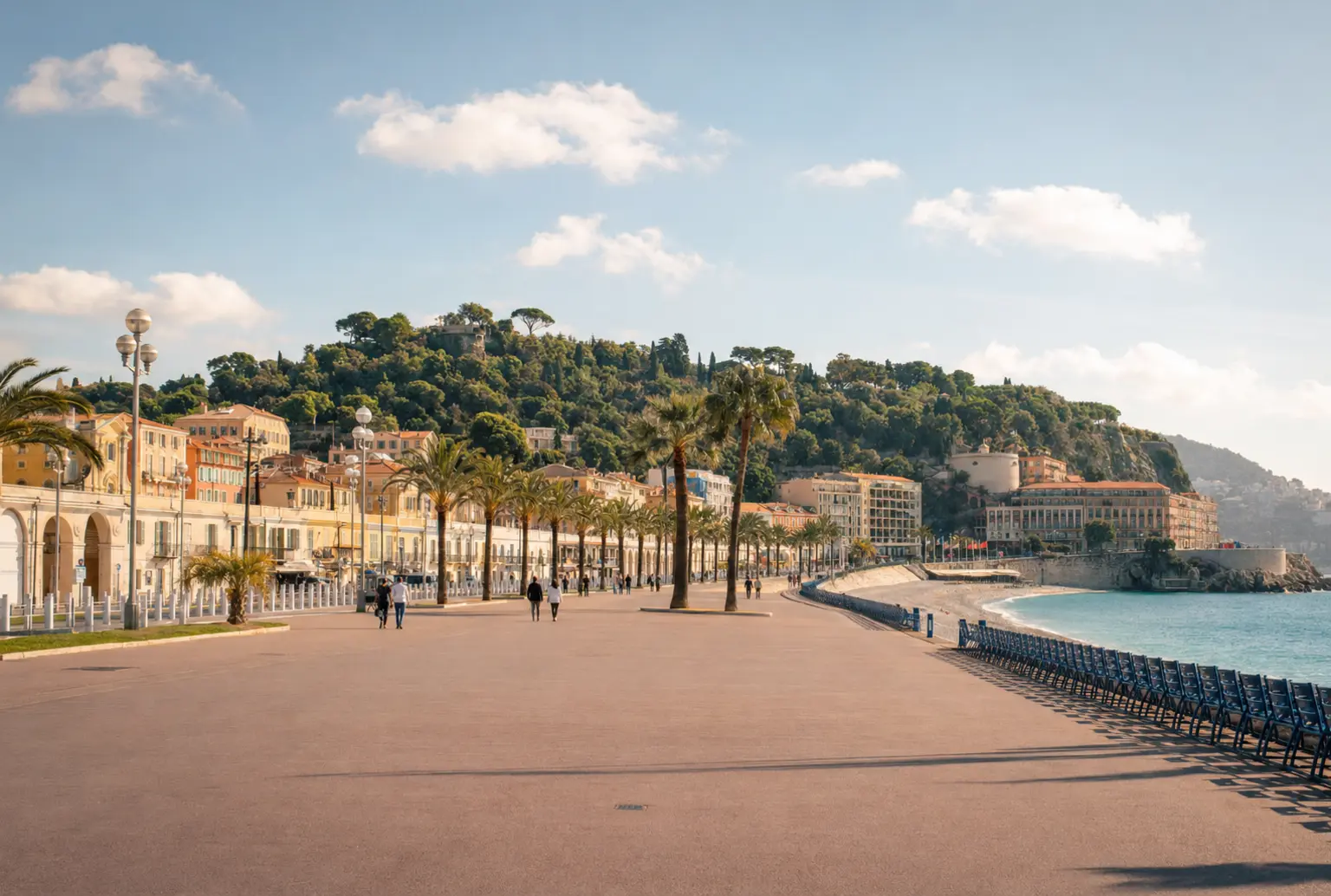
No visit to Nice is complete without a walk along the Promenade des Anglais. This iconic avenue follows the curve of the Baie des Anges and stretches for several kilometers beside the Mediterranean. Locals and visitors come here to walk, cycle, admire the façades of historic hotels or simply sit on the famous blue chairs facing the sea.
The promenade is peaceful in the morning, while the late afternoon brings softer light over the water. It also provides easy access to the Quai des États-Unis, Vieux Nice and many of the city’s public and private beaches.
2. Explore the streets of Vieux Nice
Vieux Nice is the historic and atmospheric heart of the city. Its narrow streets are lined with ocher and yellow façades, independent shops, ice cream parlors, traditional restaurants and Baroque churches. Around Place Rossetti, visitors can see the Sainte-Réparate Cathedral and explore some of the liveliest streets in the old town.
Visit in the morning for a quieter atmosphere before the busiest part of the day. Take time to explore the streets between Cours Saleya, Place du Palais de Justice and Place Saint-François rather than following only the main tourist route.
3. Visit the Cours Saleya market
Located between Vieux Nice and the seafront, Cours Saleya is one of the city’s best-known gathering places. Its market is filled with flowers, fruit, vegetables, olives, spices and regional products. The restaurant terraces surrounding the square also make it a pleasant place for coffee or lunch.
The market is particularly enjoyable in the morning, when the stalls are well stocked and the old town is coming to life. It is also an excellent introduction to Niçoise cuisine and the food traditions of the Alpes-Maritimes.
4. Climb Castle Hill
Castle Hill, known in French as the Colline du Château, offers some of the best views in Nice. Its viewpoints overlook the Baie des Anges, the rooftops of Vieux Nice, Quai Rauba-Capeù and Port Lympia. Despite the name, the former castle no longer exists. The site is now a park with shaded paths, a waterfall, archaeological remains and several places to rest.
You can reach the hill on foot from Vieux Nice or the seafront. Allow enough time to explore the different viewpoints instead of stopping only at the first panorama.
5. Cross Place Masséna and the Promenade du Paillon
With its red façades, arcades and geometric paving, Place Masséna connects the old town with the main shopping streets of central Nice. It stands between Avenue Jean Médecin, Jardin Albert-Ier and the Promenade du Paillon.
This long urban park crosses the city center with gardens, shaded areas and fountains. It is especially popular with families and provides a pleasant walking route toward Place Garibaldi.
6. Discover Port Lympia
Port Lympia reveals a different side of Nice. Colorful buildings, traditional boats and waterfront terraces create an atmosphere that feels distinct from the Promenade des Anglais. The neighborhood is a good choice for drinks, dinner or a longer walk toward Boulevard Franck-Pilatte and the Cap de Nice.
On the way, Quai Rauba-Capeù offers a remarkable view of the old town and the Baie des Anges. This is also where you will find the well-known “I Love Nice” sign.
7. Visit the Matisse and Marc Chagall museums
Nice holds an important place in the history of modern art. Located in a Genoese villa on Cimiez Hill, the Musée Matisse explores the life and work of Henri Matisse, who spent much of his life in Nice.
The Musée National Marc Chagall was created around the Biblical Message, a major collection of seventeen paintings. Together, these museums demonstrate how Mediterranean light and landscapes influenced some of the most important artists of the 20th century.
8. Explore Cimiez and its gardens
Cimiez is one of the most elegant and peaceful neighborhoods in Nice. Visitors can explore the Roman arena and remains of the ancient city of Cemenelum, the archaeological museum, Cimiez Monastery and its gardens. The neighborhood also preserves many former hotels and residences associated with the history of winter tourism.
Allow at least half a day to combine the Musée Matisse, the monastery gardens and a walk through the surrounding streets.
9. Admire the Belle Époque architecture
Since 2021, “Nice, Winter Resort Town of the Riviera” has been included on the UNESCO World Heritage List. This history can be seen in the city’s grand hotels, villas, gardens and former palaces, built when Nice became a prestigious winter destination for European visitors.
The Promenade des Anglais, the Musicians Quarter, Boulevard de Cimiez and Villa Masséna feature notable examples of this architectural heritage. Housed in a Belle Époque villa with a protected garden, the Musée Masséna also explores the history of Nice and the French Riviera.
10. Enjoy the Mediterranean coast
Nice has approximately seven kilometers of beaches along the Baie des Anges. Even if you do not plan to swim, the coast is an essential part of the Nice experience: morning walks, lunches by the sea, sunset views and the coastal route toward Cap de Nice.
Most beaches in Nice are covered with smooth pebbles rather than sand. Swimming shoes can therefore be useful, and the water can become deep quite quickly near the shore. Always check local safety information and beach flags before swimming.
How to Visit Nice in 1, 2 or 3 Days
What to do in Nice in one day
Begin with the Promenade des Anglais and continue to Cours Saleya for the morning market. Explore the streets of Vieux Nice before climbing Castle Hill for panoramic views. Walk down toward Port Lympia, then return through Place Garibaldi and the Promenade du Paillon.
This itinerary covers the main attractions in central Nice, although it leaves limited time for museums or the beach.
How to spend a weekend in Nice
Devote the first day to the seafront, Vieux Nice, Cours Saleya and Castle Hill. On the second day, explore Cimiez and visit either the Musée Matisse or Musée National Marc Chagall. Finish with Villa Masséna, the Musicians Quarter or a relaxing afternoon on the beach.
Two days are enough for a first visit if you decide in advance which museums and neighborhoods interest you most.
How to spend three days in Nice
With three days, follow the weekend itinerary and add a slower day. Explore the Libération market, walk around the port and Cap de Nice, spend time at the beach or take a short trip to Villefranche-sur-Mer.
Three days allow visitors to experience the rhythm of Nice without turning the trip into a rushed sequence of attractions.
Where to Stay in Nice
Vieux Nice: best for historic atmosphere
Vieux Nice is ideal for travelers who want to stay among historic streets, restaurants and markets, close to Cours Saleya and the sea. The area is lively and can be noisy in the evening.
Promenade des Anglais and Carré d’Or: best for a first visit
This central area provides easy access to the beach, city center and major attractions. It has a wide selection of hotels, restaurants and shops and is convenient for exploring Nice on foot.
Le Port: best for restaurants and neighborhood life
The port district combines waterfront terraces, independent shops, Niçoise architecture and easy access to the old town. The Port Lympia tram stop connects the neighborhood directly with the city center and airport.
Libération: best for a local atmosphere
Centered around Avenue Malausséna and its market, Libération offers a more everyday view of life in Nice. The tram provides convenient transport to Place Masséna and Vieux Nice.
Cimiez: best for peace and culture
Cimiez is known for its gardens, museums and elegant architecture. It is more residential and farther from the sea, making it suitable for visitors looking for a quieter place to stay.
Best Beaches in Nice
The public beaches in Nice are free and extend along the Promenade des Anglais. Private beach clubs generally offer sun loungers, umbrellas, changing facilities and restaurants. Prices and access conditions vary according to the establishment and season.
Plage du Centenaire and the Beau Rivage area are centrally located and easy to reach from Vieux Nice. Farther west, the beaches near Carras provide more space and accessible facilities. East of the port, the La Réserve and Coco Beach areas are known for their rocky Mediterranean setting, although access to the water may be less suitable for young children.
Travelers looking for sand will generally need to leave central Nice. The beaches of Villefranche-sur-Mer are easy to reach and provide a popular alternative.
What to Eat in Nice
Niçoise cuisine is based on vegetables, olive oil, Mediterranean herbs, fish and recipes passed down through generations. It represents a distinct cultural identity rather than simply a general style of Provençal cooking.
- Socca: a thin chickpea-flour pancake traditionally cooked at a very high temperature and served hot.
- Pissaladière: a baked dough topped with slowly cooked onions, anchovies and olives.
- Pan bagnat: a round bread filled with the traditional ingredients associated with salade niçoise.
- Petits farcis: Mediterranean vegetables filled with stuffing and baked.
- Salade niçoise: the city’s famous salad, traditionally prepared with raw vegetables and local ingredients.
- Tourte de blettes: a surprising sweet tart made with Swiss chard, dried fruit and sugar.
To find restaurants committed to traditional recipes, look for the official Cuisine Nissarde label. It recognizes establishments that respect local recipes, ingredient quality and standards of hospitality.
SAVÙ tip: try several specialties throughout the day rather than ordering everything in one meal. Socca at the market, a pan bagnat for lunch and a more elaborate Niçoise dinner provide a better introduction to the diversity of the local cuisine.
Best Time to Visit Nice
Nice can be visited throughout the year, but each season offers a different experience.
- Spring brings comfortable temperatures for walking, sightseeing and outdoor dining.
- Summer offers warmer sea temperatures and long days but is also the busiest period for beaches, hotels and restaurants.
- Early fall often remains suitable for swimming while being less crowded than midsummer.
- Winter is quieter and particularly suited to museums, markets and walks along the seafront.
For a trip combining sightseeing and beach time with more moderate crowds, late spring and early fall are generally the best choices.
Getting Around Nice
Central Nice is easy to explore on foot. The Promenade des Anglais, Place Masséna, Vieux Nice, Cours Saleya, Castle Hill and the port are all relatively close to one another.
Trams and buses serve the main neighborhoods. Tram line 2 connects both airport terminals with the city center, including Jean Médecin, before continuing to Port Lympia. Most visitors therefore do not need a car during their stay.
Nice-Ville railway station provides convenient connections to destinations along the French Riviera. Regional trains are often easier than driving for trips to Villefranche-sur-Mer, Monaco, Menton, Antibes and Cannes, especially during busy periods.
Best Day Trips from Nice
- Villefranche-sur-Mer: a spectacular bay, colorful old town and beach easily reached by train.
- Èze: a hilltop village known for medieval streets and Mediterranean views.
- Saint-Jean-Cap-Ferrat: coastal walking paths, coves and Villa Ephrussi de Rothschild.
- Monaco: the principality is easily accessible from Nice by regional train.
- Menton: a colorful coastal town near the Italian border, known for its gardens.
- Antibes: a fortified old town, large harbor and sandy beaches.
- Cannes: the Croisette, the historic Le Suquet district and the Lérins Islands.
For a first day trip, Villefranche-sur-Mer is the easiest destination to combine with a short stay in Nice. Èze and Saint-Jean-Cap-Ferrat require more planning but reveal some of the most characteristic landscapes of the French Riviera.
Frequently Asked Questions About Nice
How many days do you need in Nice?
Two days are enough to see the main attractions, but three days provide a more relaxed experience and allow time for a museum, the beach or a day trip.
Is Nice easy to explore on foot?
Yes. Most central attractions are within walking distance. Public transport is useful for reaching Cimiez, the airport and neighborhoods farther from the center.
Do you need a car in Nice?
No. Trams, buses and regional trains make it possible to explore Nice and much of the surrounding coastline without a car.
Are the beaches in Nice free?
Nice has free public beaches as well as private beach clubs that charge for additional services.
Does Nice have sandy beaches?
Most beaches in Nice are covered with pebbles. For sandy beaches, consider nearby Villefranche-sur-Mer or Antibes.
Where should first-time visitors stay in Nice?
The area between Place Masséna, Carré d’Or, the Promenade des Anglais and Vieux Nice is particularly convenient for a first visit.
What can you do in Nice for free?
Walking along the Promenade des Anglais, exploring Vieux Nice, visiting Cours Saleya, crossing the Promenade du Paillon and enjoying the views from Castle Hill are among the best free things to do in Nice.
Is Nice a good base for exploring the French Riviera?
Yes. Its airport, urban transport and railway connections make Nice one of the most convenient bases for exploring the Alpes-Maritimes and the French Riviera.