Biot
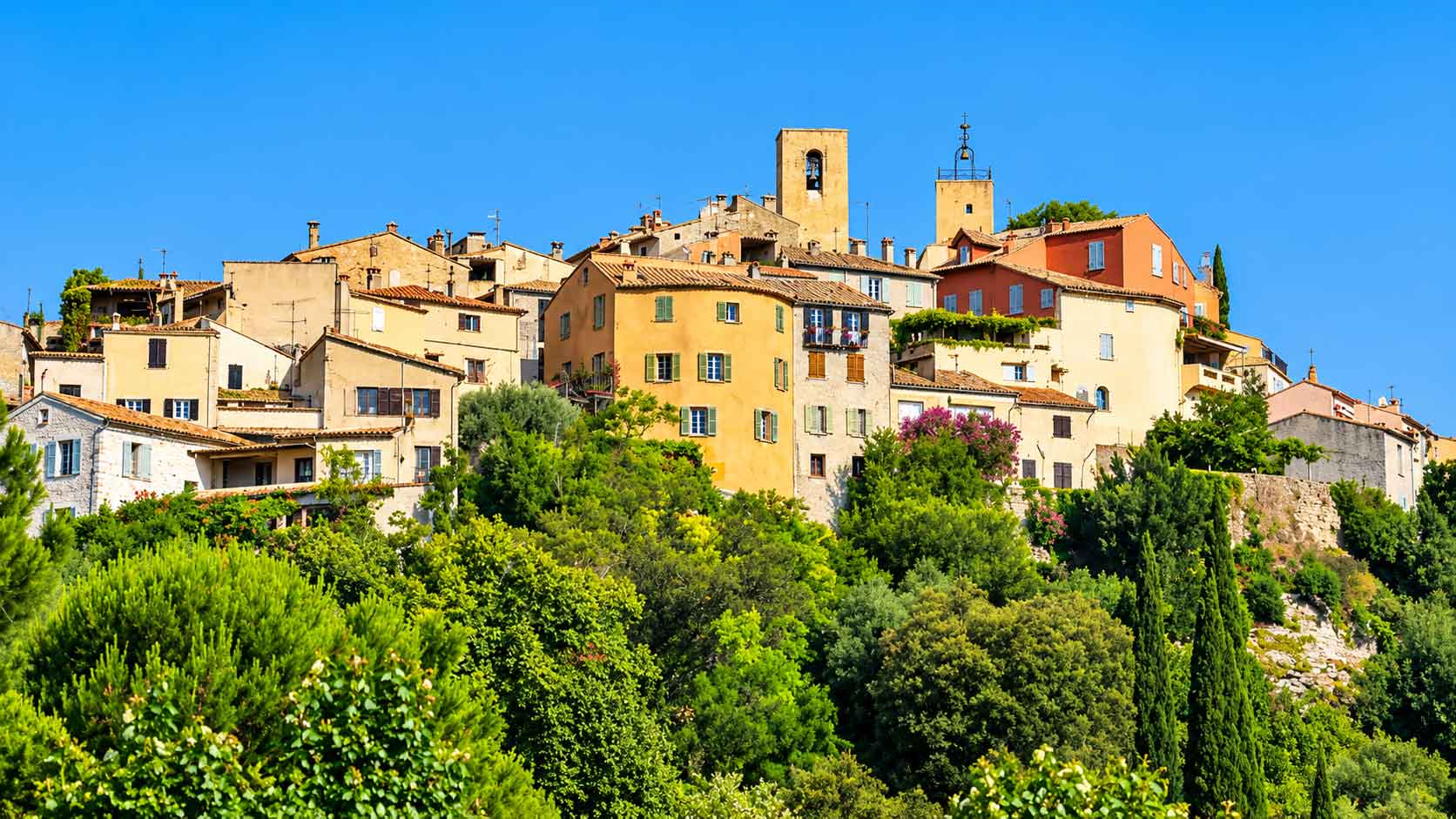
Discover Biot, a picturesque hilltop village near Antibes, famous for its medieval streets, Place des Arcades, glassblowing tradition, art galleries, museums and the exceptional Fernand Léger National Museum.
Biot Travel Guide: Art, Glass and Medieval Heritage on the French Riviera
Biot is a picturesque hilltop village in the Alpes-Maritimes, situated between Antibes, Villeneuve-Loubet and the technology district of Sophia Antipolis. Although it lies only a few kilometres from the Mediterranean coast, its historic centre retains the atmosphere of an old Provençal village.
Biot is internationally known for its artistic glass, particularly the distinctive bubbled glass developed during the 1950s. The village is also home to the Fernand Léger National Museum, art galleries, artists’ studios, a ceramics museum and a remarkably well-preserved historic centre.
A visit to Biot combines medieval architecture, local history, contemporary art, traditional craftsmanship and Provençal gastronomy. The village can be explored in half a day, but a full day is recommended if you want to visit its museums and watch a glassblowing demonstration.
In this Biot travel guide:
- Best things to do in Biot
- Explore the historic centre
- Place des Arcades
- Sainte-Marie-Madeleine Church
- Glassblowing tradition
- Fernand Léger National Museum
- History and Ceramics Museum
- History of Biot
- Brague Valley walk
- What to eat in Biot
- Best time to visit
- How to get to Biot
- Parking and getting around
- One-day itinerary
- Places to visit near Biot
- Frequently asked questions
Best Things to Do in Biot
1. Explore the Historic Centre of Biot
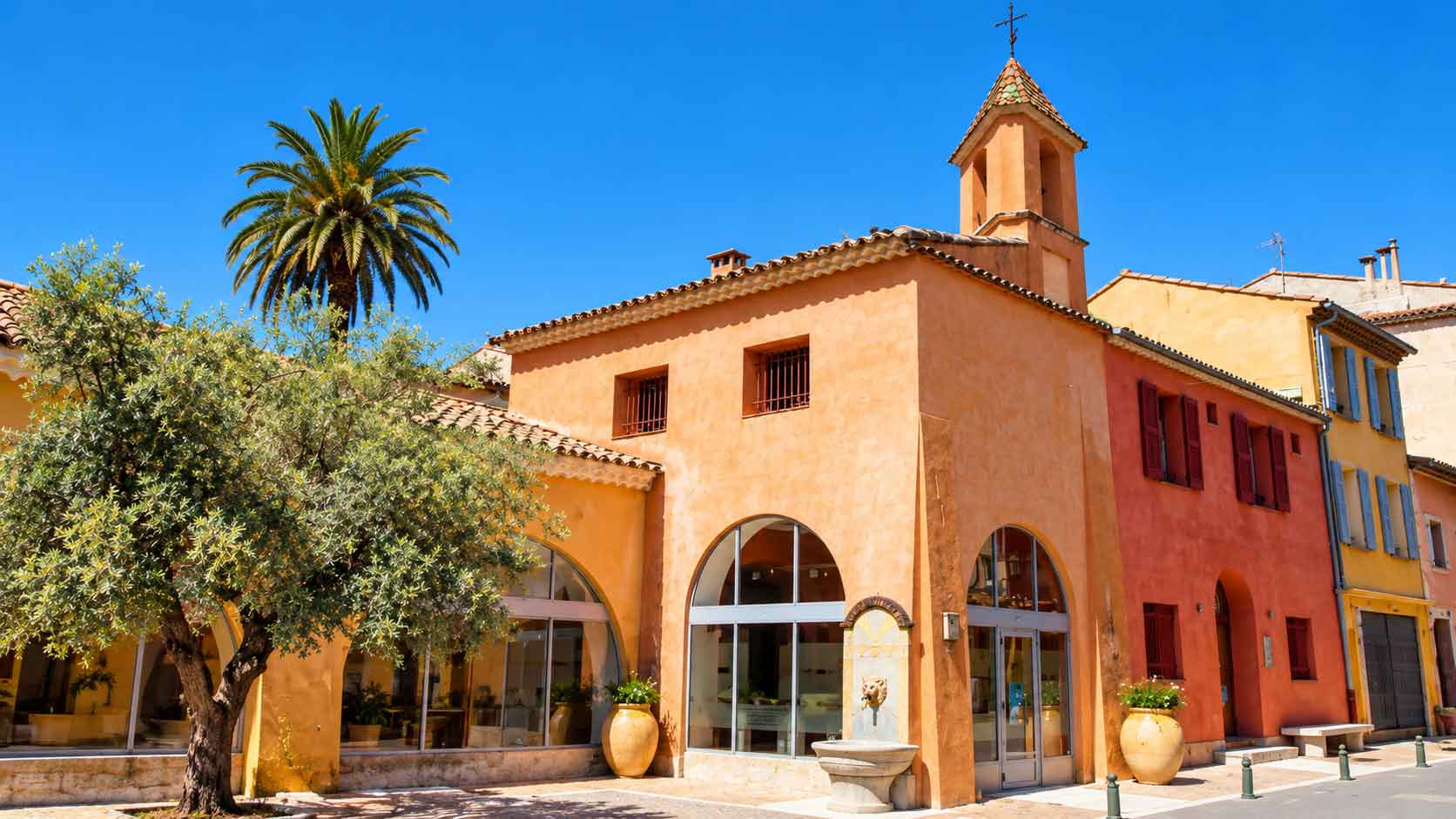
The historic centre of Biot is compact, pedestrian-friendly and filled with narrow streets, vaulted passages, stone façades, small squares and artists’ workshops.
Enter the old village through one of its historic access points and follow the streets towards Place des Arcades and Sainte-Marie-Madeleine Church. Along the way, look for ancient doorways, decorative stonework, small fountains and traditional calades made from carefully arranged stones.
Rue Saint-Sébastien is one of the principal streets crossing the village. It contains shops, galleries, workshops and restaurants and provides an attractive introduction to the artistic identity of Biot.
The tourist office offers information about a historical and geological route through the village. The itinerary connects important landmarks such as Place des Arcades, Porte des Tines and Sainte-Marie-Madeleine Church.
2. Visit Place des Arcades
Place des Arcades is the historic heart of Biot. The square was located at the centre of the first fortified settlement and dates back to the medieval development of the village.
Its covered arcades, stone houses and intimate proportions create one of the most attractive architectural ensembles in Biot. Restaurants and terraces make it a pleasant place to stop for lunch or a drink.
The square is also a good starting point for exploring the surrounding streets, art galleries and religious heritage of the village.
3. Discover Sainte-Marie-Madeleine Church
Sainte-Marie-Madeleine Church is one of the most important historical monuments in Biot. It was rebuilt during the 15th century on the foundations of an earlier Romanesque church and was listed as a Historic Monument in 1984.
The church has several unusual architectural features. Visitors enter at an elevated level and descend a staircase towards the nave rather than climbing up into the church. The building also has two entrance doors.
Above the main entrance is a terracotta statue of Saint Mary Magdalene dating from the 17th century. Inside, one of the most important works is the early 16th-century altarpiece known as The Virgin of the Rosary, attributed to Louis Bréa, a major representative of the Niçois Primitive school.
The stone paving outside the church and around part of Place des Arcades is arranged using the traditional Provençal calade technique.
4. See Porte des Tines and the Old Village Gates
Porte des Tines is one of the reminders of Biot’s fortified past. The historic gates controlled access to the village and formed part of its defensive organisation.
Today, the gate can be visited as part of the historical and geological walking route. The surrounding lanes provide attractive perspectives over the old stone buildings and the landscape beyond the village.
Discover Biot’s Glassblowing Tradition
Biot is recognised internationally for its glassmaking heritage. The modern tradition began in the 1950s when ceramic engineer and craftsman Éloi Monod experimented with glass production.
A bubble that would normally have been considered an imperfection became the defining feature of a new decorative style. Biot’s famous bubbled glass was born, and Éloi Monod founded the Verrerie de Biot in 1956.
The technique helped transform the village into an important centre of contemporary glassmaking. Generations of master glassmakers have since developed their own colours, shapes and methods while maintaining Biot’s connection with fire and blown glass.
5. Watch a Glassblowing Demonstration
Watching a glassblowing demonstration is one of the most memorable experiences in Biot. Visitors can observe the different stages involved in transforming molten material into a finished decorative or functional object.
The process requires precision, speed and close coordination. The glassmaker gathers the molten glass, introduces air, shapes the material with tools and gradually creates the final form.
Demonstrations, introductory workshops and guided visits depend on the establishment and current programme. Contact the glassworks before travelling if this activity is a priority.
6. Visit the Verrerie de Biot and Glass Ecomuseum
The Verrerie de Biot was founded by Éloi Monod in 1956 and played a central role in establishing the village’s international reputation for bubbled glass.
The site includes working areas, galleries and a shop displaying tableware, decorative objects and contemporary creations.
The Glass Ecomuseum preserves the history and techniques of blown and bubbled glass. Its collections may include historic pieces, traditional tools, raw materials and equipment connected with glass production.
Live demonstrations allow visitors to understand the different stages of the craft, from gathering molten glass to shaping and finishing the object.
7. Explore Biot’s Other Glass Studios
Biot and its surrounding area contain several independent glass studios and galleries. Each workshop has its own artistic identity, techniques and preferred forms.
Visitors may discover contemporary sculptures, colourful vessels, tableware, engraved glass and experimental works combining traditional craftsmanship with modern design.
Opening hours vary, and some studios close for production work, exhibitions or private commissions. Check directly with each workshop before visiting.
Visit the Fernand Léger National Museum
The Fernand Léger National Museum is one of the principal cultural attractions in Biot. It presents an exceptional collection dedicated to Fernand Léger, a major figure of 20th-century modern art.
The collection follows the development of the artist’s work from his early experiments and Cubist research to the monumental, colourful compositions created later in his career.
Visitors can discover paintings, drawings, ceramics, mosaics and large-scale works. The museum building is itself notable for its colourful exterior mosaics and its setting within Mediterranean gardens.
Fernand Léger chose to settle near Biot towards the end of his life. The museum makes it possible to understand both his artistic evolution and his relationship with the region.
The museum is located outside the historic centre. Travelling by car or checking the available bus connections is recommended. Opening days, admission prices and temporary exhibitions should be verified on the official museum website.
Visit the Museum of Biot History and Ceramics
The Museum of Biot History and Ceramics presents more than 2,000 years of local history. Its collections explain the development of the settlement and the importance of pottery in Biot’s economy.
Thanks to its deposits of clay and kiln stone, Biot became an important Mediterranean centre for the production of large storage jars. During the 17th century, dozens of pottery workshops operated in the village.
These jars were exported throughout the Mediterranean and as far as the Americas. They were used for storing and transporting products such as oil, grain and other goods.
The museum occupies historic buildings in the centre of Biot and displays jars, ceramics, photographs, everyday objects and a reconstruction of a traditional 19th-century kitchen.
The History of Biot
The territory around Biot has been inhabited since ancient times. Its history includes Celto-Ligurian occupation, Roman influence and the development of a fortified medieval settlement.
During the Middle Ages, the village was connected with religious and military orders. Its strategic location and fortified position helped control routes between the coast and the interior.
Biot and its church were abandoned and destroyed during the disturbances of the late 14th century. In the second half of the 15th century, the village was repopulated by families arriving from the Ligurian coast.
From the 16th century onwards, pottery production became one of the principal activities of Biot. Large jars manufactured in the village were exported across the Mediterranean for several centuries.
As traditional pottery declined during the 20th century, a new artistic identity developed. Fernand Léger, Raymond Peynet and other artists became associated with Biot, while the creation of the Verrerie de Biot in 1956 established its reputation as a centre of contemporary glassmaking.
Walk in the Brague Valley
The Brague Valley offers a natural contrast to the stone streets and art galleries of the historic village. Paths follow sections of the river through Mediterranean woodland, shaded areas and rocky landscapes.
The valley can be particularly pleasant during mild weather, but trails may be affected by storms, flooding, fallen trees, fire risk or maintenance work.
Check the current condition of the route with the tourist office before setting out. Avoid the river path during or immediately after heavy rain and respect any temporary closure signs.
Wear suitable walking shoes, carry water and protect yourself against the sun and insects.
What to Eat in Biot
Restaurants in Biot serve Provençal and Mediterranean cuisine based on seasonal vegetables, olive oil, aromatic herbs, fish, meat and regional cheeses.
Depending on the restaurant and season, menus may include Niçoise salad, petits farcis, pissaladière, grilled fish, vegetable tarts, ravioli and dishes prepared with courgettes, aubergines and tomatoes.
For dessert, look for traditional pastries, seasonal fruit, ice cream or desserts flavoured with lemon, honey or local herbs.
The terraces around Place des Arcades and the streets of the historic centre provide an atmospheric setting for lunch. Reservations are advisable during weekends and the summer season.
Best Time to Visit Biot
Spring is one of the best periods to visit Biot. Temperatures are generally comfortable for walking, gardens are in bloom and the village is less crowded than during summer.
Summer offers a lively atmosphere, longer opening hours and evening events. Temperatures can be high, so explore the village in the morning or late afternoon.
September and October are excellent for museums, galleries, restaurant terraces and walks in the surrounding countryside.
Winter is quieter and allows visitors to experience a more local atmosphere. Some workshops, restaurants and attractions may have reduced opening hours.
How to Get to Biot
By Car from Nice
Biot is approximately 25 kilometres from Nice. The drive normally takes between 30 and 45 minutes, depending on traffic.
Use the A8 motorway or the coastal road and follow the signs towards Biot. Riviera traffic can be heavy during weekday commuting hours and the summer season.
By Car from Antibes
Biot is located only a few kilometres from Antibes. Follow the signs towards Biot and Sophia Antipolis, then continue uphill towards the historic village.
The journey generally takes around 15 to 25 minutes, depending on your starting point and traffic.
By Car from Cannes
From Cannes, take the A8 motorway towards Nice and use the Antibes exit, then follow the signs for Sophia Antipolis and Biot.
The drive usually takes around 30 to 40 minutes outside periods of heavy traffic.
By Car from Monaco
From Monaco, take the A8 motorway towards Nice, Antibes and Cannes. Follow the signs for Biot after passing the Nice area.
The journey normally takes around 45 minutes to 1 hour 15 minutes, but delays are common during peak periods.
By Train
Biot railway station is served by regional TER trains running along the French Riviera between cities such as Nice, Antibes and Cannes.
The station is located in the coastal part of the area, approximately four kilometres from the hilltop village. It is not practical to walk from the station to the historic centre, especially in hot weather.
Envibus line 10 provides a connection between Biot railway station and the village. Check the current timetable and service information before travelling.
By Bus
Envibus operates services connecting Biot with Antibes, Valbonne and Sophia Antipolis. Line 10 serves Biot Village and provides a useful connection from Antibes and Biot railway station.
Other routes serve the wider municipality and Sophia Antipolis. Bus routes and timetables may change, so use the official Envibus journey planner before departure.
Parking and Getting Around Biot
Several car parks are available around the entrance to the historic village. Parking outside the old centre is usually the most convenient option because the central streets are narrow and partly pedestrianised.
Follow the signs for public parking and do not attempt to drive into restricted streets. Spaces can fill quickly during festivals, summer evenings and busy weekends.
Once parked, the historic centre is best explored on foot. Some streets are steep, uneven or paved with traditional stones, so comfortable footwear is recommended.
The Verrerie de Biot, Fernand Léger National Museum, railway station and Brague Valley are outside the compact historic centre. A car or local bus may be required to combine these places during the same day.
One-Day Itinerary in Biot
Morning: Begin in the historic centre and follow the historical and geological route. Visit Place des Arcades, Porte des Tines and Sainte-Marie-Madeleine Church.
Late morning: Explore Rue Saint-Sébastien, visit the galleries and discover the Museum of Biot History and Ceramics.
Lunch: Have lunch on a terrace around Place des Arcades or in one of the streets of the old village.
Early afternoon: Visit the Verrerie de Biot and the Glass Ecomuseum. If available, watch a glassblowing demonstration.
Late afternoon: Continue to the Fernand Léger National Museum to discover its collection, mosaics and Mediterranean garden.
Alternative: If you prefer nature to museums, replace the final visit with a walk in the Brague Valley after confirming that the trail is open and safe.
Places to Visit Near Biot
Antibes
Antibes offers a historic old town, Provençal market, ramparts, Port Vauban, sandy beaches and the Picasso Museum inside the Château Grimaldi.
Valbonne
Valbonne is known for its geometric old town, arcaded central square, restaurants and peaceful Provençal atmosphere.
Villeneuve-Loubet
Villeneuve-Loubet combines a medieval hilltop village with a coastal district, beaches and the distinctive Marina Baie des Anges.
Saint-Paul-de-Vence
Saint-Paul-de-Vence is one of the best-known artistic villages on the French Riviera, with fortified streets, galleries and views over the surrounding countryside.
Cagnes-sur-Mer
Cagnes-sur-Mer includes the medieval village of Haut-de-Cagnes, the Château-Musée Grimaldi, the Renoir Museum and the seaside district of Cros-de-Cagnes.
Sophia Antipolis
Sophia Antipolis is a major European technology and research district. Its modern campuses and wooded environment provide a striking contrast to the medieval centre of Biot.
Frequently Asked Questions About Biot
Is Biot worth visiting?
Yes. Biot is worth visiting for its medieval centre, glassmaking tradition, art galleries, museums, Place des Arcades and Sainte-Marie-Madeleine Church.
How much time do you need in Biot?
Half a day is sufficient for the historic centre and a glass studio. A full day is recommended if you also want to visit the Fernand Léger National Museum and the ceramics museum.
What is Biot famous for?
Biot is particularly famous for its bubbled glass, glassblowing workshops, pottery heritage and association with modern artists such as Fernand Léger.
Can you watch glassblowing in Biot?
Yes. Glass studios and the Glass Ecomuseum may offer demonstrations showing how molten glass is blown and shaped. Schedules should be confirmed before visiting.
Is Biot easy to explore on foot?
The historic centre is compact and best explored on foot. However, some streets are steep and uneven. The museums, glassworks and railway station are spread across a wider area.
Can you reach Biot by train?
Yes. TER trains stop at Biot railway station, but the station is approximately four kilometres from the historic village. Continue by Envibus line 10, taxi or another local transport service.
Is Biot suitable for children?
Yes. Children may enjoy watching glassblowers, exploring the old streets and visiting the Fernand Léger National Museum. Care is needed on steep streets and around working glass furnaces.
Are the museums open every day?
Not necessarily. Museums may close on particular weekdays, public holidays or during exhibition changes. Always check official opening information before travelling.
Where should you park in Biot?
Use one of the signed public car parks near the entrance to the historic village. Avoid entering narrow or restricted streets in the old centre.
What should you buy in Biot?
Popular souvenirs include handmade glass, ceramics, artworks, jewellery, decorative objects and regional food products. For valuable glass pieces, ask the studio about secure packaging and shipping.
City Gallery